
By Dr. Kwame Osei, Cultural Historian and Pan-African Scholar Published on Heritage Africa Insights Blog – January 15, 2026
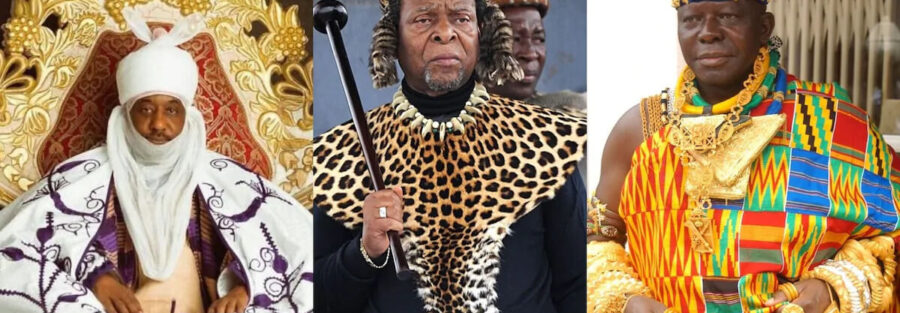
In an era dominated by democratic elections and republican governments, one might assume that Africa’s rich monarchical traditions have faded into history books. Yet, across the continent, traditional kings, queens, chiefs, and elders continue to play vital roles in governance, community development, and cultural preservation. From the constitutional monarchies of Morocco, Lesotho, and Eswatini to the hundreds of sub-national royal institutions in countries like Nigeria, Ghana, South Africa, and Uganda, these leaders are not relics—they are active forces shaping modern Africa.
A Legacy of Resilience
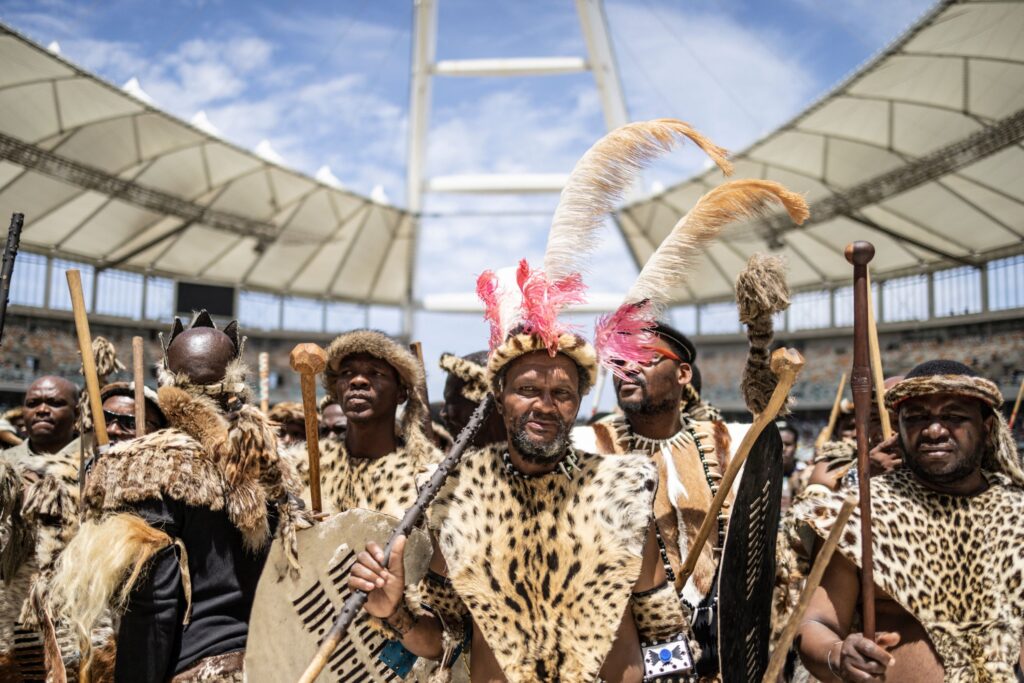
Pre-colonial Africa was home to powerful kingdoms and empires, where monarchs served as custodians of land, mediators of disputes, and symbols of unity. Colonialism disrupted these systems, often reducing kings to puppets or abolishing them outright. Post-independence, many new republics sidelined traditional authorities to consolidate central power.
However, the pendulum has swung back. Since the 1990s democratic wave, constitutions in countries like South Africa, Ghana, and Uganda have recognized and integrated traditional leaders. In South Africa, for instance, the post-apartheid government restored roles for kings and chiefs in rural governance and land administration. Studies show that where traditional authorities are strong, communities often enjoy better social cohesion and localized development.
These leaders bridge the gap between state institutions and grassroots realities. They resolve conflicts through customary law, mobilize communities for development projects, and preserve indigenous knowledge—roles that modern governments sometimes struggle to fulfill effectively.
Guardians of Culture and Community
Traditional monarchs are more than ceremonial figures; they are champions of heritage. Annual festivals, rites, and councils led by kings reinforce African identity in a globalized world.
In rural areas, chiefs often lead initiatives in youth empowerment, agriculture, and security. Community-based policing inspired by traditional structures has proven effective in reducing crime and fostering peace. Youth programs under royal patronage provide vocational training, echoing calls for entrepreneurship and self-reliance rooted in African values.
Challenges and the Path Forward
Critics argue that hereditary leadership can clash with democratic equality, sometimes perpetuating gender imbalances or resisting progressive reforms. Yet, many monarchs have adapted, partnering with governments on sustainable development goals.
The revival of these institutions offers a uniquely African model: blending ancient wisdom with contemporary needs for unity, security, and prosperity. As Africa rises on the global stage, embracing its royal heritage could strengthen governance from the ground up.
What do you think—can traditional leadership help solve Africa’s modern challenges? Share your thoughts below.
Dr. Kwame Osei is a lecturer in African History at the University of Accra and author of “Thrones of Resilience: Monarchies in Post-Colonial Africa.”